P.J. Mezitt Rhododendron
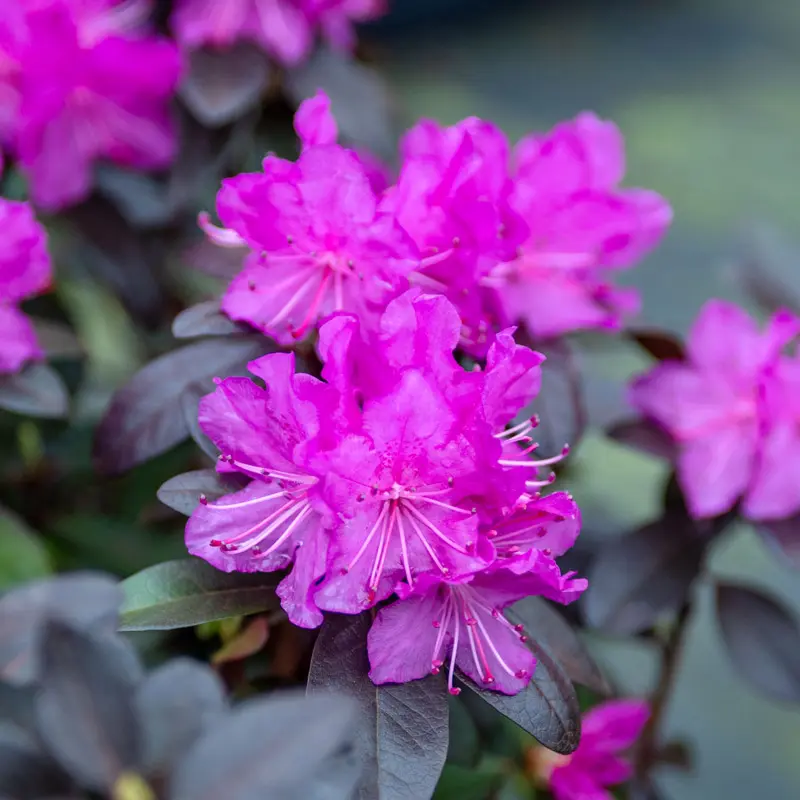
PJM Rhododendron, also known as P.J. Mezitt Rhododendron, was developed in the 1930s by Peter J. Mezitt and his son Edmund and has remained a favorite ever since. This evergreen shrub is known for two things: a heavy show of lilac-purple to lavender-pink flowers each spring, and foliage that shifts to a deep mahogany-purple through the colder months. Decades after its introduction, it remains a dependable choice for gardeners who want reliable color paired with year-round structure.
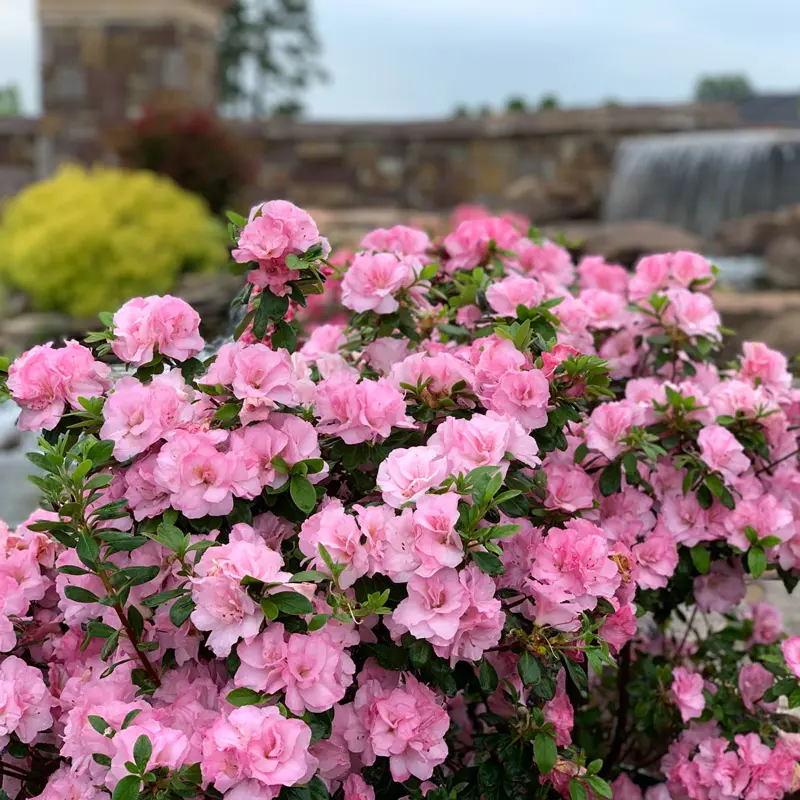
Welcome Spring With a Wave of ColorP.J. Mezitt blooms early to mid-April, covering the shrub in lilac-purple to lavender-pink flowers right when gardens are waking up from winter. That early timing gives you color before many other shrubs have even leafed out, making it one of the first signs that spring has arrived. The heavy bloom coverage means the flowers are hard to miss from across the yard.
Get Year-Round Interest From One ShrubThis is not a plant that disappears once its flowers fade. Glossy green leaves stay on the shrub through fall and winter, gradually turning a rich plum-purple. That means P.J. Mezitt keeps earning its place in your yard long after the spring blooms are gone, giving you a change of color to look forward to as the seasons shift.
Plant It With Confidence in Cold ClimatesP.J. Mezitt is built for northern gardens, thriving in USDA Zones 4 through 8. Growing 3 to 6 feet tall and wide, it fits foundation plantings, borders, or mass plantings without needing frequent attention to survive winter weather. That combination of size and hardiness makes it a practical choice for gardeners who want structure without constant upkeep.
Give It Simple, Straightforward CareThis shrub prefers partial shade but handles full sun well if the soil stays moist. Plant it in moist, well-draining, acidic soil, and if your yard has heavy clay, work in organic matter and set the root ball slightly high to avoid wet roots. Prune right after the spring blooms fade so next year's buds stay intact.
Original: $69.99
-65%$69.99
$24.50Product Information
Product Information
Shipping & Returns
Shipping & Returns
Description
PJM Rhododendron, also known as P.J. Mezitt Rhododendron, was developed in the 1930s by Peter J. Mezitt and his son Edmund and has remained a favorite ever since. This evergreen shrub is known for two things: a heavy show of lilac-purple to lavender-pink flowers each spring, and foliage that shifts to a deep mahogany-purple through the colder months. Decades after its introduction, it remains a dependable choice for gardeners who want reliable color paired with year-round structure.
Welcome Spring With a Wave of ColorP.J. Mezitt blooms early to mid-April, covering the shrub in lilac-purple to lavender-pink flowers right when gardens are waking up from winter. That early timing gives you color before many other shrubs have even leafed out, making it one of the first signs that spring has arrived. The heavy bloom coverage means the flowers are hard to miss from across the yard.
Get Year-Round Interest From One ShrubThis is not a plant that disappears once its flowers fade. Glossy green leaves stay on the shrub through fall and winter, gradually turning a rich plum-purple. That means P.J. Mezitt keeps earning its place in your yard long after the spring blooms are gone, giving you a change of color to look forward to as the seasons shift.
Plant It With Confidence in Cold ClimatesP.J. Mezitt is built for northern gardens, thriving in USDA Zones 4 through 8. Growing 3 to 6 feet tall and wide, it fits foundation plantings, borders, or mass plantings without needing frequent attention to survive winter weather. That combination of size and hardiness makes it a practical choice for gardeners who want structure without constant upkeep.
Give It Simple, Straightforward CareThis shrub prefers partial shade but handles full sun well if the soil stays moist. Plant it in moist, well-draining, acidic soil, and if your yard has heavy clay, work in organic matter and set the root ball slightly high to avoid wet roots. Prune right after the spring blooms fade so next year's buds stay intact.